culture
Durham Residents Uncover Foundational Stories Shaping City's Development
Key dates and sites from the city's past continue to inform how residents discuss Durham's development.
How we reported this
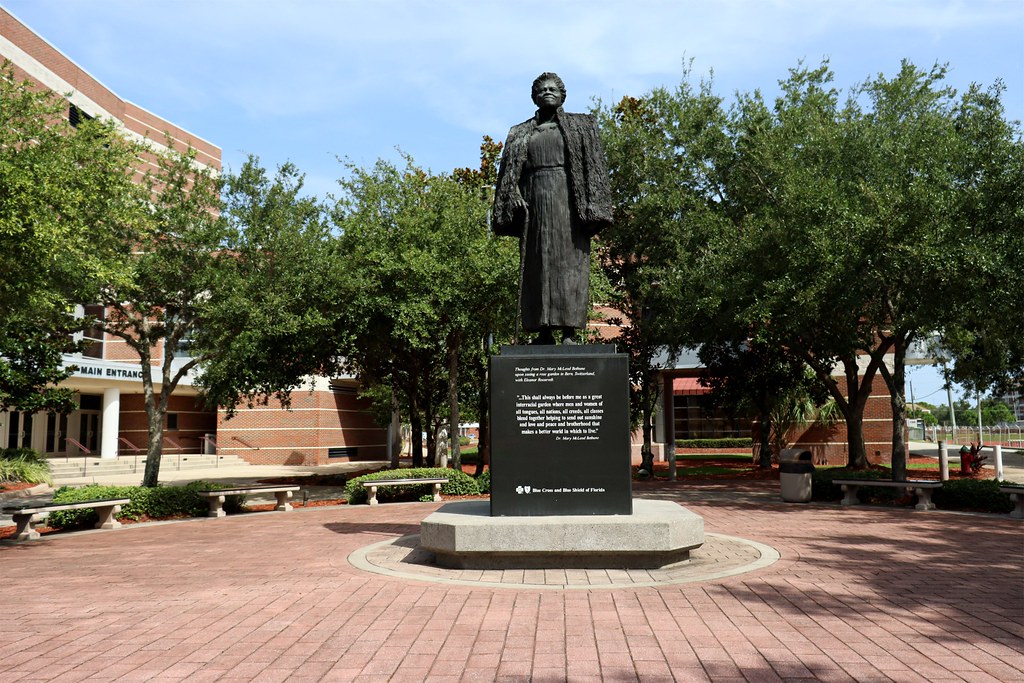
Durham, North Carolina received its name in 1849 after Dr. Bartlett S. Durham donated land for a railroad depot, with the city's official birthday recorded as April 26, 1853. These dates anchor many current discussions among residents about the community's beginnings.
Origins and Early Growth
The city began as a 19th-century tobacco town and later became a hub of culture and innovation. Visionaries including Washington Duke and the Duke family shaped that shift through their entrepreneurial efforts. Residents frequently reference this transition when considering how past industries connect to present-day institutions and neighborhoods.
Civil War Site at Bennett Place
Bennett Place in northern Durham marks the location of the largest Civil War troop surrender in 1865. Union General Sherman and Confederate General Johnston met there, effectively ending major fighting. Locals often visit or mention the site when reflecting on how that single event altered the region's trajectory and remains part of public memory.
West Parrish Street Legacy
West Parrish Street earned the name Black Wall Street in the early 1900s. It served as a center for Black-owned businesses, banks, and brick companies. This history surfaces regularly in conversations about the city's commercial past and the enduring presence of those enterprises in local identity.
Civil Rights Role
The local African-American community took part in the nation's first sit-ins aimed at ending racial segregation. That participation forms a core part of how residents frame Durham's contribution to broader national movements. Discussions today frequently link these actions to ongoing interest in heritage sites tied to the same period.
These elements of Durham's documented past provide the concrete references that keep historical topics active in daily exchanges. Residents and visitors can consult official city timelines and heritage maps to trace the same facts on the ground.