news
Durham's Neighborhood Redevelopment Reshapes Community for Local Residents
As Durham undergoes changes in its local districts, understanding the community impact is crucial for residents navigating these shifts.
Listen in English · 3 min
How we reported this
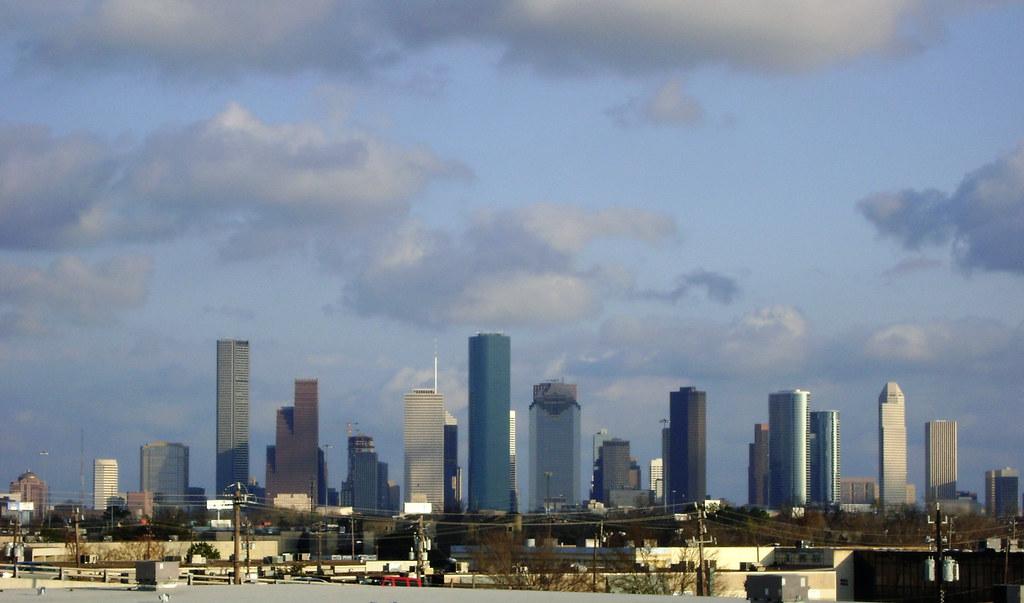
Durham’s neighborhoods are experiencing a wave of redevelopment that, while promising economic growth and upgraded infrastructure, presents new challenges and questions for the city’s residents about community cohesion and quality of life.
The Context Behind Neighborhood Changes
Development in local neighborhoods matters more than ever because it directly affects people’s daily lives-shaping everything from housing affordability and transportation to access to parks and public services. With Durham’s ongoing urban change, questions about who benefits from these projects and how existing communities are preserved have come to the forefront. For residents, these transformations are not abstract concepts but tangible realities impacting schools, local businesses, and neighborhood culture.
Local Details and Community Impact
Distinct areas across Durham, including established districts that have long housed multigenerational families, are increasingly targeted for redevelopment. While specific projects are evolving, the general trend reflects a push for modernization mixed with tension over maintaining neighborhood character. Community organizations active within these areas have highlighted concerns around displacement and loss of affordable housing, as well as shifting commercial dynamics affecting small businesses that serve long-time residents.
Public spaces and venues that have historically been community hubs now face uncertainty as new developments reshape local use patterns. This ongoing change captures a dynamic struggle between preserving Durham’s unique community identity and embracing a future that attracts new investment and residents.
Though Durham does not currently offer extensive new detailed statistics on redevelopment impacts, qualitative observations stress a growing need for inclusive planning and resident engagement. Feedback from neighborhood groups suggests that how development proceeds will influence not only economic vitality but also social networks and access to essential resources.
For residents, staying informed about city planning meetings and participating in local forums can provide avenues to influence decisions. Community leaders recommend sustained dialogue between developers, city officials, and neighborhood stakeholders to ensure that benefits of redevelopment are equitably shared, while minimizing disruption to established residents and businesses.